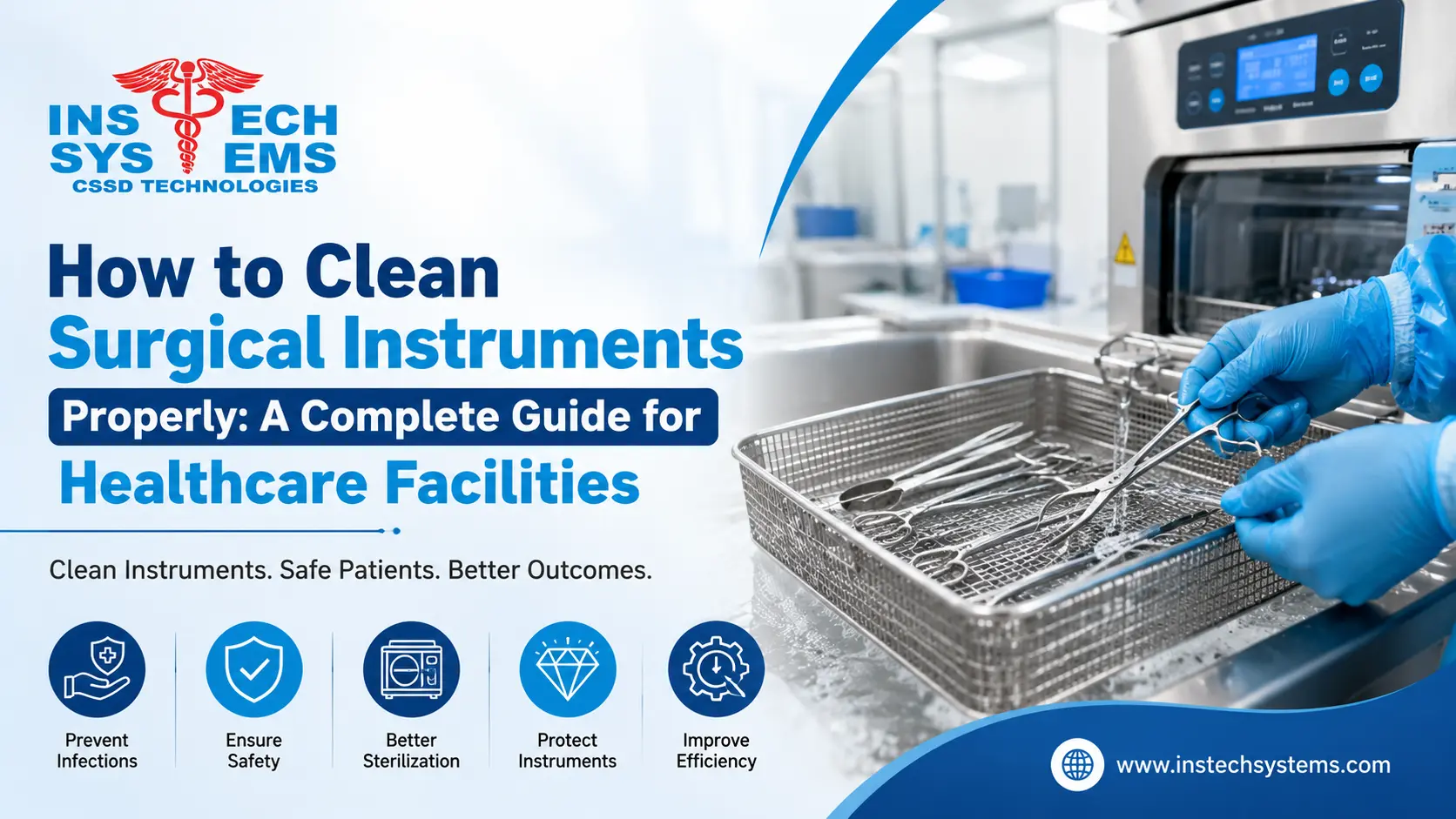
Surgical instruments are among the most valuable assets in any healthcare facility. From routine medical procedures to complex surgeries, every instrument must be thoroughly cleaned and sterilized before reuse to ensure patient safety and prevent healthcare-associated infections (HAIs). Even the most advanced sterilization equipment cannot achieve effective results if instruments are not cleaned properly beforehand.
Understanding how to clean surgical instruments correctly is essential for hospitals, clinics, diagnostic centers, and Central Sterile Services Departments (CSSDs). Proper cleaning removes blood, tissue, body fluids, and other contaminants that can interfere with the sterilization process. It also extends the lifespan of expensive surgical tools while maintaining their performance and reliability.
In this comprehensive guide, we will discuss the complete process of cleaning medical instruments, the importance of pre-cleaning, best practices for healthcare facilities, and common mistakes to avoid.
Why Proper Cleaning of Surgical Instruments Is Essential
Cleaning is the first and most critical step in the instrument reprocessing cycle. Before sterilization can eliminate microorganisms, visible and invisible contaminants must be removed effectively.
Proper instrument cleaning helps:
- Reduce the risk of cross-contamination.
- Improve sterilization efficiency.
- Protect patients from infections.
- Extend the service life of surgical instruments.
- Maintain compliance with healthcare regulations.
- Reduce repair and replacement costs.
Healthcare facilities that follow standardized cleaning procedures achieve better infection control and maintain high standards of patient care.
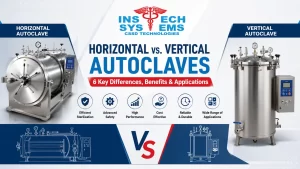
Also Read: Horizontal vs. Vertical Autoclaves: 6 Key Differences, Benefits & Applications
Understanding the Difference Between Cleaning and Sterilization
Many people mistakenly believe that cleaning and sterilization are the same process. In reality, they serve different purposes.
Cleaning medical instruments removes dirt, blood, tissue, proteins, and other organic materials from the instrument surface. Sterilization, on the other hand, destroys microorganisms, including bacteria, viruses, fungi, and spores.
If instruments are not properly cleaned before sterilization, residual contaminants can shield microorganisms from the sterilizing agent. This makes the sterilization process less effective and increases the risk of infection.
Immediate Steps After Surgical Use
The cleaning process begins immediately after an instrument has been used during surgery or a medical procedure.
Allowing blood and tissue to dry on the instrument surface makes cleaning significantly more difficult. Healthcare staff should remove gross contamination as soon as possible using approved methods.
Recommended practices include:
- Wiping visible debris immediately after use.
- Keeping instruments moist until cleaning begins.
- Transporting contaminated instruments safely to the CSSD.
- Avoiding harsh chemicals that may damage instrument surfaces.
Timely pre-cleaning reduces the effort required during the main cleaning process and minimizes corrosion.
How to Clean Surgical Instruments Step by Step
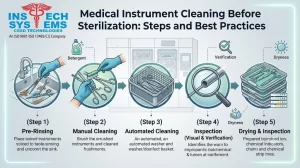
Healthcare facilities should follow a systematic cleaning process to ensure every instrument is properly prepared for sterilization.
1. Sorting and Inspection
Separate instruments based on:
- Instrument type
- Material
- Level of contamination
- Manufacturer recommendations
Sharp instruments should be handled carefully to prevent staff injuries.
2. Disassembly
Multi-part instruments should always be disassembled before cleaning.
Opening hinges, unlocking ratchets, and separating detachable parts allows cleaning solutions to reach hidden surfaces where contaminants often accumulate.
3. Rinsing
Initial rinsing removes loose blood, tissue, and other contaminants. Use clean water with appropriate temperature as recommended by the instrument manufacturer.
Avoid extremely hot water during the first rinse, as it may cause proteins to coagulate and stick firmly to instrument surfaces.
4. Cleaning with Approved Solutions
This is one of the most important stages of cleaning medical instruments. Healthcare facilities should use enzymatic detergents or medical-grade cleaning agents specifically designed for surgical instruments. These solutions break down proteins, fats, and organic matter without damaging delicate surfaces.
Never use household detergents, bleach, or abrasive chemicals.
5. Manual Cleaning
Manual cleaning is recommended for delicate instruments or devices with complex designs.
Soft brushes should be used to clean:
- Hinges
- Serrations
- Joints
- Lumens
- Grooves
Staff should wear appropriate personal protective equipment (PPE) during manual cleaning.
6. Automated Cleaning
Many hospitals now use automated systems as a reliable surgical instrument cleaner. Automated washer disinfectors provide consistent cleaning performance while reducing manual handling and improving staff safety.
These systems offer several advantages:
- Standardized cleaning cycles
- Reduced human error
- Better cleaning consistency
- Increased processing capacity
- Improved infection control
7. Final Rinsing
After cleaning, instruments must be thoroughly rinsed to remove detergent residues. Residual chemicals can interfere with sterilization and may damage instruments over time.
8. Drying
Moisture left on instruments may encourage corrosion and compromise sterilization. Dry instruments completely using lint-free cloths or medical-grade drying systems before inspection.
9. Inspection
Each instrument should be visually inspected for:
- Remaining debris
- Corrosion
- Cracks
- Broken tips
- Damaged joints
- Surface stains
Any damaged instruments should be repaired or replaced before reuse.
How to Clean Instruments Before Autoclaving
Many healthcare professionals ask how to clean instruments before autoclaving because cleaning directly affects sterilization success.
Before placing instruments inside an autoclave:
- Remove all visible contamination.
- Thoroughly wash and rinse instruments.
- Ensure hinges remain open.
- Dry instruments completely.
- Lubricate hinged instruments if recommended.
- Inspect every instrument carefully.
- Package instruments according to sterilization guidelines.
Skipping these steps can reduce steam penetration and compromise sterilization effectiveness.
Choosing the Right Surgical Instrument Cleaner
Selecting the appropriate surgical instrument cleaner is crucial for achieving consistent results.
A high-quality cleaning system should:
- Remove organic contaminants efficiently.
- Protect delicate instrument finishes.
- Support infection prevention protocols.
- Be compatible with various instrument types.
- Improve workflow efficiency.
- Reduce manual labor.
Healthcare facilities should choose cleaning equipment based on patient volume, instrument complexity, and departmental requirements.
Role of Automated Surgical Tool Cleaner Systems
Modern hospitals increasingly rely on automated surgical tool cleaner systems to improve cleaning quality and reduce contamination risks.
These advanced cleaning solutions offer numerous benefits:
Consistent Performance
Automated systems deliver repeatable cleaning cycles with controlled temperature, detergent concentration, and rinsing.
Improved Staff Safety
Less manual handling reduces exposure to contaminated instruments.
Better Compliance
Automated systems support standardized reprocessing procedures aligned with hospital protocols.
Higher Productivity
Large volumes of instruments can be processed efficiently, helping busy healthcare facilities maintain smooth surgical schedules.
Common Mistakes to Avoid During Cleaning Medical Instruments
Even experienced healthcare professionals can make mistakes that affect instrument quality.
Common errors include:
Delaying Cleaning
Dried blood and tissue become much harder to remove.
Using Incorrect Chemicals
Harsh chemicals can damage stainless steel surfaces and shorten instrument life.
Incomplete Disassembly
Hidden contaminants often remain inside hinges and joints.
Poor Rinsing
Detergent residues may interfere with sterilization.
Skipping Inspection
Damaged instruments should never proceed to sterilization.
Improper Drying
Residual moisture can cause corrosion and reduce instrument longevity.
Best Practices for Healthcare Facilities
Healthcare organizations should establish standardized procedures for instrument cleaning.
Recommended best practices include:
- Train staff regularly on cleaning protocols.
- Follow manufacturer instructions for every instrument.
- Use validated cleaning equipment.
- Monitor cleaning quality through routine inspections.
- Maintain cleaning equipment according to manufacturer recommendations.
- Document cleaning and sterilization processes.
- Replace worn brushes and cleaning accessories regularly.
- Perform preventive maintenance on automated cleaning systems.
Following these practices helps maintain consistent reprocessing quality across the facility.
The Role of CSSD in Instrument Reprocessing
The Central Sterile Services Department (CSSD) plays a vital role in ensuring that every reusable surgical instrument is cleaned, disinfected, inspected, sterilized, and safely stored.
A well-equipped CSSD follows standardized workflows that minimize contamination risks while improving operational efficiency.
By integrating advanced cleaning systems with sterilization equipment, healthcare facilities can maintain high standards of infection prevention and patient safety.
Why Healthcare Facilities Should Invest in Advanced Cleaning Solutions
As healthcare demands continue to grow, manual cleaning alone may not be sufficient for processing large volumes of surgical instruments.
Investing in advanced cleaning technology offers several long-term advantages:
- Enhanced infection control
- Improved workflow efficiency
- Reduced instrument damage
- Lower operational costs
- Better compliance with healthcare standards
- Increased patient confidence
- Consistent cleaning performance
Modern cleaning equipment also supports traceability and quality assurance, which are increasingly important in today’s healthcare environment.
Conclusion
Knowing how to clean surgical instruments correctly is essential for every healthcare facility. Proper cleaning medical instruments before sterilization ensures that contaminants are removed effectively, allowing the sterilization process to work as intended. Understanding how to clean instruments before autoclaving helps prevent infection risks, extends the lifespan of valuable surgical tools, and supports regulatory compliance.
Whether using manual methods or an automated surgical instrument cleaner or surgical tool cleaner, following standardized cleaning protocols is critical to maintaining patient safety and operational excellence. By investing in proper cleaning equipment, staff training, and validated reprocessing practices, healthcare facilities can build a safer, more efficient, and more reliable sterilization workflow.
Frequently Asked Questions
1. Why is cleaning surgical instruments important before sterilization?
Cleaning removes blood, tissue, and organic debris that can prevent sterilization from reaching all instrument surfaces. Proper cleaning is essential for effective infection control.
2. How should surgical instruments be cleaned before autoclaving?
Instruments should be rinsed, cleaned using approved medical detergents, thoroughly rinsed again, dried completely, inspected, and packaged correctly before being placed in the autoclave.
3. What is the difference between cleaning and sterilization?
Cleaning removes visible contaminants and organic material, while sterilization destroys microorganisms, including bacteria, viruses, fungi, and spores.
4. Can automated surgical instrument cleaners improve hospital efficiency?
Yes. Automated cleaning systems provide consistent cleaning, reduce manual labor, improve staff safety, and increase instrument processing capacity.
5. How often should surgical cleaning equipment be maintained?
Cleaning equipment should be maintained according to the manufacturer’s recommendations, with routine inspections and preventive maintenance to ensure reliable performance.