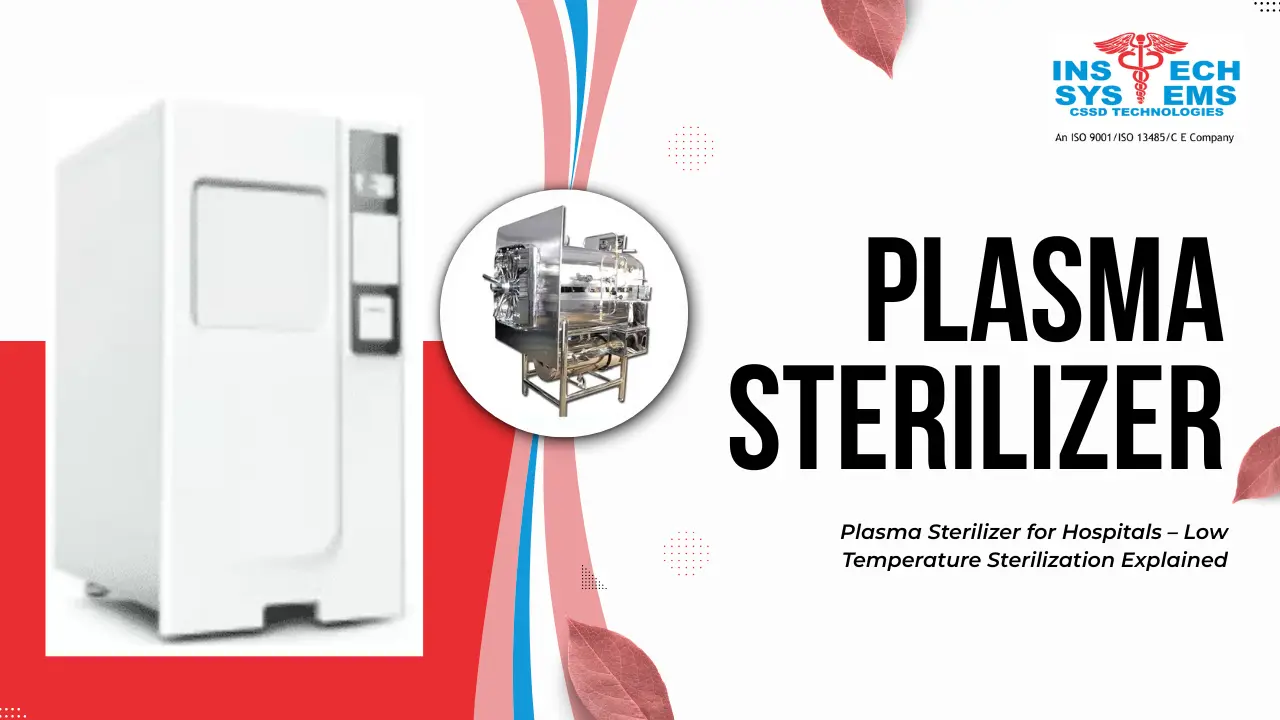
In today’s healthcare environment, infection control is one of the most critical responsibilities of hospitals. Surgical instruments, medical devices, and sensitive equipment must be sterilized properly to ensure patient safety and compliance with healthcare standards. Traditional sterilization methods like steam sterilization are effective, but they are not suitable for all types of instruments—especially heat- and moisture-sensitive medical devices. This is where a plasma sterilizer for hospitals becomes an essential solution.
Most modern plasma sterilizers use hydrogen peroxide plasma sterilizer technology. In this method, vaporized hydrogen peroxide is converted into plasma—a highly reactive state of matter—that destroys microorganisms at a molecular level. After the sterilization cycle, the by-products break down into water vapor and oxygen, making the process safe and environmentally friendly.
Why Is Low Temperature Sterilization Important in Hospitals?
Hospitals today use a wide range of advanced medical devices made from plastics, polymers, electronics, optics, and mixed materials. Many of these instruments cannot withstand high heat or moisture. Low temperature sterilization is important because it:
- Protects heat-sensitive and moisture-sensitive instruments
- Maintains the functionality and lifespan of costly medical devices
- Ensures safe sterilization of complex instruments with narrow lumens
- Supports fast turnaround time in busy hospital environments
A plasma sterilizer for hospitals is specifically designed to meet these requirements while maintaining the highest sterilization standards.
Hydrogen Peroxide Plasma Sterilizer: How It Works
A hydrogen peroxide plasma sterilizer operates using a carefully controlled multi-step cycle. The entire plasma sterilization process is automated, ensuring consistency, reliability, and compliance.
Plasma Sterilization Process Explained
- Pre-Vacuum Stage- Air is removed from the sterilization chamber to create a controlled environment.
- Hydrogen Peroxide Injection- A precise amount of liquid hydrogen peroxide is injected and vaporized inside the chamber.
- Diffusion Phase- The hydrogen peroxide vapor spreads evenly across all surfaces of the medical devices.
- Plasma Generation- An electromagnetic field is applied, converting hydrogen peroxide vapor into plasma. This plasma produces free radicals that destroy microorganisms.
- Sterilization Action- The plasma breaks down proteins, DNA, and cell membranes of microbes, ensuring complete sterilization.
- Aeration and Venting- Plasma reverts to oxygen and water vapor, leaving no toxic residues.
This advanced plasma sterilization process ensures high-level sterilization while being gentle on medical equipment.
Plasma Sterilizer for Medical Devices
One of the biggest advantages of plasma technology is its compatibility with a wide range of instruments. A plasma sterilizer for medical devices is ideal for sterilizing:
- Endoscopes and laparoscopic instruments
- Cameras and optical devices
- Catheters and cannulas
- Plastic and rubber components
- Battery-operated and electronic instruments
- Instruments with narrow lumens
Because plasma sterilization is a dry and low-temperature process, it minimizes the risk of corrosion, warping, or degradation of delicate components.
Key Benefits of Plasma Sterilizer for Hospitals
- Low Temperature Operation- Plasma sterilizers typically operate at temperatures between 40°C and 55°C, making them perfect for sensitive medical devices.
- Fast Sterilization Cycles- Compared to ethylene oxide (ETO) sterilization, plasma systems offer much shorter cycle times, improving workflow efficiency in hospital CSSD departments.
- Safe and Eco-Friendly- The by-products of hydrogen peroxide plasma sterilization are water vapor and oxygen, eliminating the need for long aeration times or toxic gas handling.
- High Level of Sterilization- The plasma sterilization process effectively kills bacteria, viruses, fungi, and spores, meeting international sterilization standards.
- Reduced Instrument Damage- Low temperature and dry processing help extend the life of expensive surgical instruments and medical devices.
Applications of Plasma Sterilizers in Hospitals
Plasma sterilizers are widely used across different hospital departments, including:
- Central Sterile Services Department (CSSD)
- Operation Theatres (OT)
- Intensive Care Units (ICU)
- Endoscopy Units
- Dental Departments
- Specialty Surgical Centers
In modern hospitals, plasma sterilizers play a crucial role in maintaining infection control protocols while supporting advanced medical procedures.
Plasma Sterilizer vs Other Sterilization Methods
- Steam sterilization is effective but unsuitable for heat-sensitive instruments. Plasma sterilizers provide a safe alternative for delicate devices.
- ETO sterilization has longer cycle times and toxic residues. Plasma sterilization is faster, safer, and more environmentally friendly.
- Chemical methods may leave residues and require extensive rinsing, whereas plasma sterilization leaves no harmful by-products.
Compliance and Safety Standards
A plasma sterilizer for hospitals is designed to comply with international healthcare and safety standards. Advanced systems include:
- Digital cycle monitoring
- Data recording and traceability
- Alarm and safety interlocks
- User-friendly touch screen controls
These features ensure consistent performance, regulatory compliance, and ease of operation for hospital staff.
Why Hospitals Are Shifting to Plasma Sterilization
With the increasing use of advanced medical devices, hospitals need reliable sterilization technologies that match modern healthcare demands. Plasma sterilizers provide:
- Improved patient safety
- Reduced infection risks
- Faster instrument turnaround
- Long-term cost savings through reduced instrument damage
As a result, plasma sterilization is becoming a preferred choice for hospitals aiming to upgrade their CSSD infrastructure.
Choosing the Right Plasma Sterilizer for Your Hospital
When selecting a plasma sterilizer, hospitals should consider:
- Chamber size and capacity
- Compatibility with medical devices
- Cycle time and efficiency
- Ease of operation and maintenance
- Compliance with healthcare standards
- After-sales service and technical support
For detailed product specifications and pricing, visit our Plasma Sterilizer product page.
Conclusion
A plasma sterilizer for hospitals is an advanced and reliable solution for sterilizing heat-sensitive and delicate medical devices. Using hydrogen peroxide plasma sterilizer technology, it delivers effective low temperature sterilization without toxic residues or long cycle times. The scientifically proven plasma sterilization process ensures high-level disinfection, making plasma sterilizers an essential part of modern hospital infection control strategies.
By investing in a high-quality plasma sterilizer for medical devices, hospitals can enhance patient safety, improve operational efficiency, and meet global healthcare standards with confidence.